IATF 16949 Internal Audit Checklist: What Auditors Actually Check

IATF 16949 internal audits check process performance, Core Tools and auditor competence, not just paperwork. What auditors actually look for, and why it needs more than a checklist to teach.

An IATF 16949 internal audit is not a document review. Auditors are verifying that a quality management system actually operates the way it says it does, across every applicable clause, over the course of an audit cycle, not just on the day someone is watching.

What an internal auditor actually checks

Process performance, not just paperwork

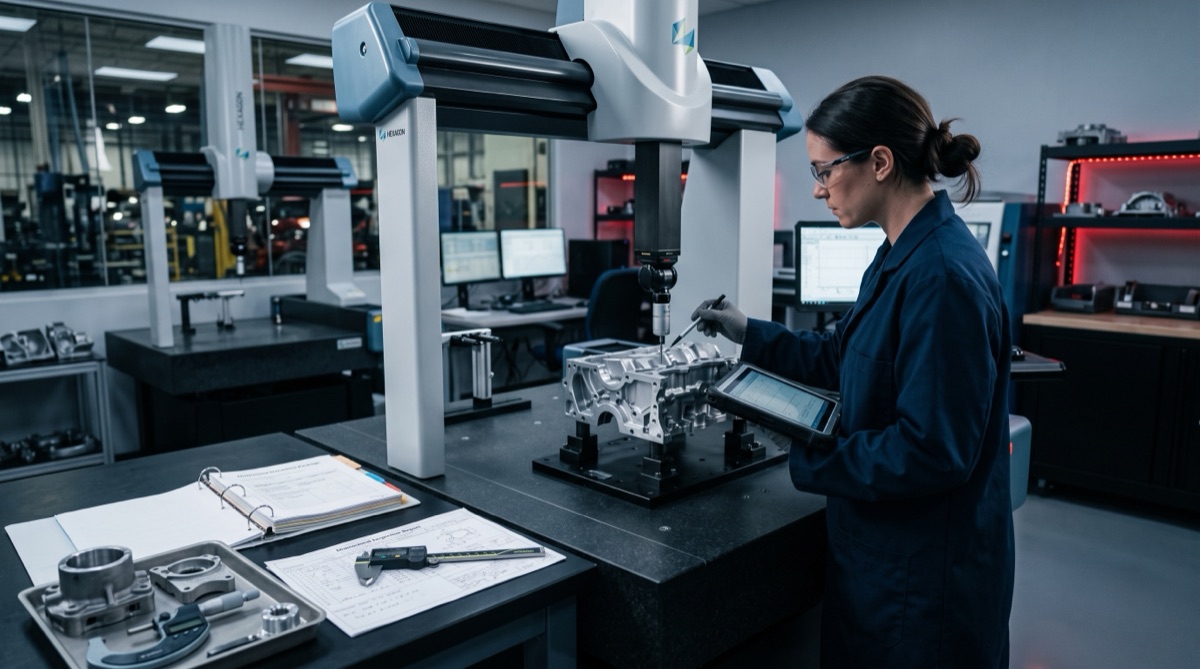
Auditors follow a process as it runs: manufacturing audits cover every shift, including evidence that a proper shift handover happens, not only the shift the audit happened to land on.

The Core Tools in use

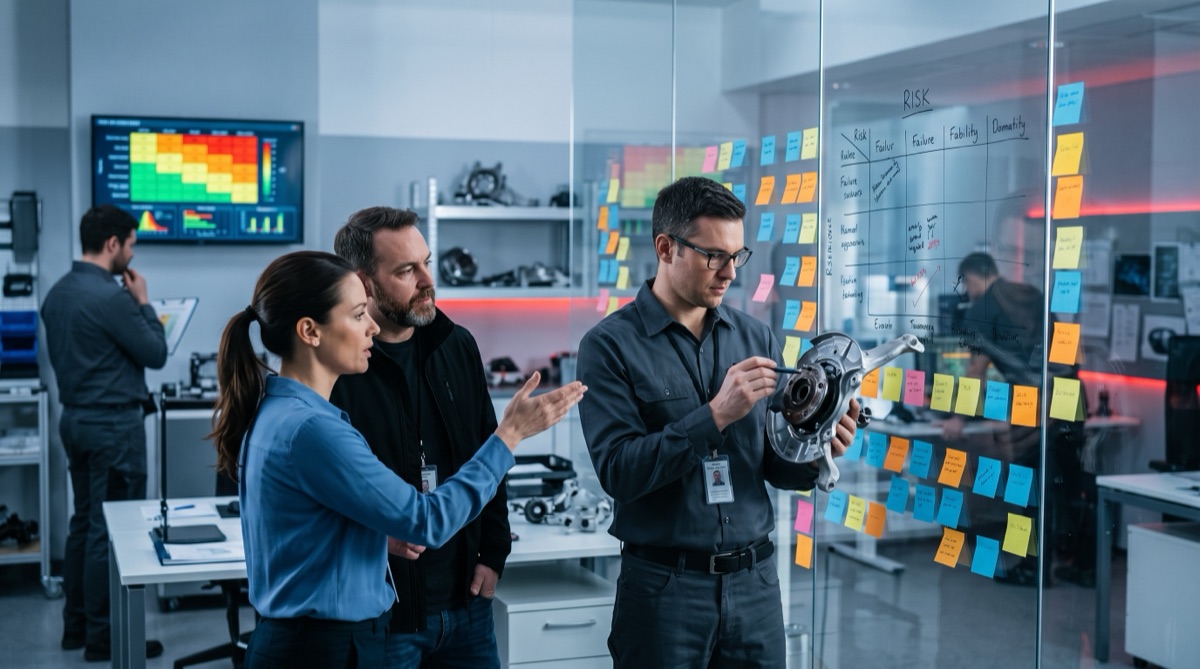
APQP outputs, FMEAs and control plans are checked for whether they are live working documents, updated as the process changes, rather than artefacts produced once for a customer submission and left untouched.

Competence of the people doing the auditing

IATF 16949 expects internal auditors who audit the Core Tools to be competent in them. An auditor who cannot follow an FMEA cannot meaningfully verify one.

How nonconformities are classified and tracked

Findings are graded, tracked to closure, and reviewed for patterns. A cluster of minor findings in the same area is treated differently to isolated ones, because it points to a systemic issue rather than a one-off.

Why checklists alone do not fix this

A checklist tells an auditor what to look at. It does not teach them how to judge whether an FMEA is genuinely live, or whether a control plan reflects what actually happens on the line. That judgment comes from training, and it is exactly where a document or a single classroom session struggles to transfer understanding consistently across a supply chain.

How REAS supports this

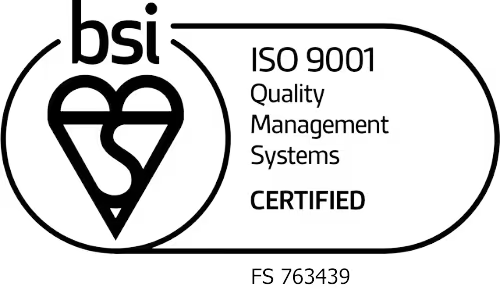
We build the video training that turns audit competence from something a few senior people carry in their heads into something a whole team can learn consistently. The Quality Partner training portal we built productised thirty years of Paul Hardiman's auditing expertise, the "Auditor of Auditors" recognised by the IATF, into 500+ video lessons covering exactly this kind of practical audit judgment. Our production runs on a BSI ISO 9001 certified process (FS 763439), so the accuracy holds as it scales.

See how we approach video production for standards bodies, read about the work we've delivered, or book a video strategy call to scope internal audit training for your team.

IATF 16949 Internal Audit Checklist: What Auditors Actually Check

An IATF 16949 internal audit is not a document review. Auditors are verifying that a quality management system actually operates the way it says it does, across every applicable clause, over the course of an audit cycle, not just on the day someone is watching.

What an internal auditor actually checks

Process performance, not just paperwork

Auditors follow a process as it runs: manufacturing audits cover every shift, including evidence that a proper shift handover happens, not only the shift the audit happened to land on.

The Core Tools in use

APQP outputs, FMEAs and control plans are checked for whether they are live working documents, updated as the process changes, rather than artefacts produced once for a customer submission and left untouched.

Competence of the people doing the auditing

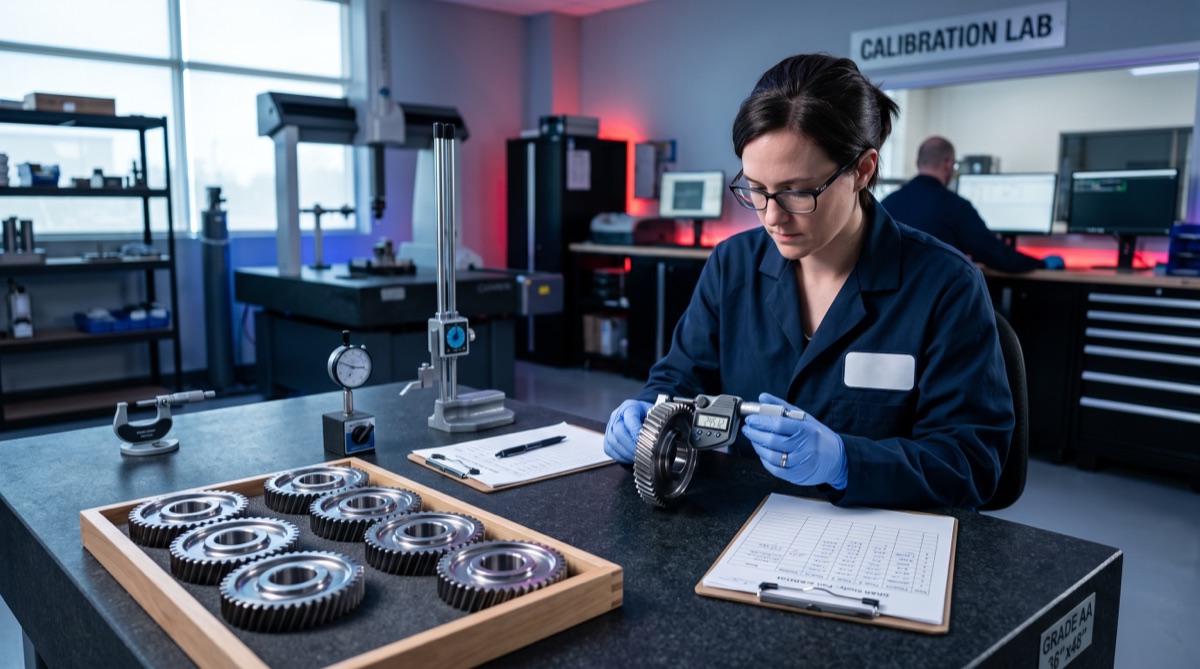
IATF 16949 expects internal auditors who audit the Core Tools to be competent in them. An auditor who cannot follow an FMEA cannot meaningfully verify one.

How nonconformities are classified and tracked

Findings are graded, tracked to closure, and reviewed for patterns. A cluster of minor findings in the same area is treated differently to isolated ones, because it points to a systemic issue rather than a one-off.

Why checklists alone do not fix this

A checklist tells an auditor what to look at. It does not teach them how to judge whether an FMEA is genuinely live, or whether a control plan reflects what actually happens on the line. That judgment comes from training, and it is exactly where a document or a single classroom session struggles to transfer understanding consistently across a supply chain.

How REAS supports this

We build the video training that turns audit competence from something a few senior people carry in their heads into something a whole team can learn consistently. The Quality Partner training portal we built productised thirty years of Paul Hardiman's auditing expertise, the "Auditor of Auditors" recognised by the IATF, into 500+ video lessons covering exactly this kind of practical audit judgment. Our production runs on a BSI ISO 9001 certified process (FS 763439), so the accuracy holds as it scales.

See how we approach video production for standards bodies, read about the work we've delivered, or book a video strategy call to scope internal audit training for your team.